In This Article
- Can viral infections nudge dormant cancer cells?
- What’s early evidence versus established fact?
- Who benefits most from extra precautions?
- Which practical steps reduce exposure during outbreaks?
- How do you stay calm while staying careful?
The Overlooked Connection Between Past Illnesses and New Infections
by Beth McDaniel, InnerSelf.comYou’ve seen the news about seasonal surges and new variants. Maybe you’re a survivor, or you love someone who is. The question sits there like a stone in your shoe: could a viral infection disturb dormant cancer cells? It’s a profoundly human question because it blends science with fear, statistics with memories. You want an answer that’s steady and honest. Not hype. Not denial. Just enough clarity to choose your next steps with confidence.
Here’s the careful truth: researchers have long suspected that inflammation can influence whether cancer cells stay quiet or become active. Viral infections can create inflammatory ripples throughout the body. Some early laboratory and animal studies suggest that those ripples might, under certain conditions, wake up sleepy cells. But when it comes to people, the evidence is still unfolding. That means your best path is the one that balances curiosity with caution, and concern with practicality.
Why Inflammation Matters
Dormancy is the body’s uneasy truce with cancer. After treatment, or even before a diagnosis, some cells can pause their growth, going quiet and hard to detect. Think of them as seeds in winter soil. The ground seems bare, yet life hides underneath, waiting on cues. In biology, those cues often travel through the language of inflammation. When the immune system is activated by an infection, it sends signals that alter the cellular environment. Most of the time, this is lifesaving. Sometimes, depending on the context, it might nudge quiet cells to reconsider their silence. The immune system plays a crucial role in both fighting infections and keeping cancer cells in check.
This is not cause for alarm. It’s a cause for respect. Your body is wise and layered, capable of healing and recalibrating. You don’t need perfect certainty to take simple steps that reduce unnecessary exposure during outbreaks. You only need a willingness to care for yourself the way you’d care for a dear friend: kindly, consistently, and without drama.
What the Science Suggests
When you hear that infections could reawaken dormant cancer, it helps to ask three questions. First, is the result from cells in a dish, animals, or people? Second, does the study explain the mechanism, including which messenger molecules and pathways? Third, how big is the real-world effect, and who does it apply to? Many headlines skip these details. You don’t have to. You can hold two truths at once: the possibility is real enough to warrant attention, and the degree of risk in humans is still being mapped.

That’s why a practical approach makes sense. You can let the science evolve without putting your life on hold. You can choose low-burden steps that reduce exposure during public outbreaks while keeping your days open to joy: a walk with a friend, a window cracked for fresh air, a well-fitting mask for a crowded pharmacy visit. These aren’t acts of fear; they’re expressions of care. Other low-burden steps could include choosing outdoor seating at a restaurant, using hand sanitizer after touching shared surfaces, or opting for virtual meetings when possible.
Who May Want Extra Precautions
If you’ve had cancer, are in treatment, or are immunocompromised for any reason, you may already be skilled at weighing risks. During outbreaks, you might decide to add a few layers of protection. High-quality masks can help protect against airborne particles in crowded indoor spaces. Planning errands for less busy hours can lower exposure. Checking in with your care team can align your choices with your unique medical story. If you’re supporting a loved one, you can be the calm in the storm, offering rides, opening windows, and suggesting outdoor meetups when the weather allows.
There’s no single script here. A young parent in remission will make different choices than an older adult in active treatment. What unites these choices is the intention behind them: to live fully while respecting the body’s need for steadiness. You’re not trying to wrap yourself in bubble wrap. You’re adjusting the sails to catch safer winds.
Practical Steps That Empower YouStart with air. Outdoor air dilutes viral particles quickly; indoors, they can accumulate and persist. If you must be indoors with others during an outbreak, favor places with good ventilation. Open a window a few inches when you can. Ask yourself: how long will I be here, how close to others, and how much fresh air is moving? Small changes add up over time.
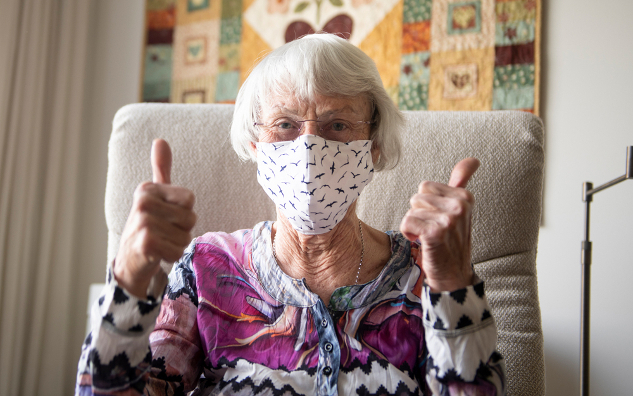
Masks are about fit and filtration. A high-quality, well-fitting mask can reduce the amount of virus you breathe in crowded indoor spaces. For current, plain-language masking guidance, see the U.S. CDC page. If you’re unsure when to wear one, give yourself a simple rule: if you feel your shoulders tense walking into a space, crowded grocery, urgent care lobby, busy train, mask up until you’re back in the open air.
Timing matters. Shop during off-hours. Choose the earlier showtime. Pick up prescriptions mid-morning rather than during the afternoon rush. Shorten the duration when possible; ten minutes is not the same as an hour. Keep vaccinations current as advised by your clinician; vaccines help your immune system respond more effectively and may reduce the severity of illness.
How to Talk With Your Care Team
Your oncologist or primary care clinician knows your history and current medications. Ask practical, personal questions: during outbreaks, which settings should I avoid? For instance, crowded indoor spaces with poor ventilation, large gatherings, or places where people are not wearing masks. Are there masks or filters you recommend? Do my treatments change how I should think about vaccines or timing? Should I get help earlier if I develop symptoms? You’re not asking for guarantees; you’re building a plan together so you feel less alone in the decision-making.
Bring a notepad or ask a friend to join by speakerphone. Sometimes the most crucial thing a care team provides is not a test or a prescription, but the steady voice that says, “These steps fit your life.”
Staying Emotionally Steady
Worry rises in the body first: tight jaw, shallow breath, shoulders creeping up. Before you refresh the news, try a slow inhale to a count of four, and an exhale to six. Place a hand on your chest and say, “I am allowed to take simple steps for myself.” Then ask: What’s one action I can take today that reduces exposure and increases joy? Maybe it’s a morning walk. Perhaps it’s a window garden. Maybe it’s texting a friend to meet outdoors.
Resilience isn’t the absence of fear; it’s the practice of care. You can be a person who wears a mask in a crowded waiting room and still laugh at dinner with a window cracked open. You can honor the uncertainty of early science without surrendering your days to it. You can navigate outbreaks with a little more ease each time.
Calm, Empowering Choices
Here’s the heart of it: early evidence suggests viral infections may nudge dormant cancer under some conditions, but certainty in people is still evolving. That’s not a reason to panic. It’s a reason to practice simple, kind precautions during outbreaks. Air, time, distance, and filtration are levers you can actually move. They’re small, repeatable, and respectful of your life.
When the world feels loud, your choices can be quiet. A mask in your pocket. A plan for errands. A question ready for your clinician. Layer by layer, you create a path that lets you keep showing up for your own life, even when headlines flare. That’s not fear talking. That’s wisdom.
About the Author
Beth McDaniel is a staff writer for InnerSelf.com
Related Books:
The Body Keeps the Score: Brain Mind and Body in the Healing of Trauma
by Bessel van der Kolk
This book explores the connections between trauma and physical and mental health, offering insights and strategies for healing and recovery.
Click for more info or to order
Breath: The New Science of a Lost Art
by James Nestor
This book explores the science and practice of breathing, offering insights and techniques for improving physical and mental health.
Click for more info or to order
The Plant Paradox: The Hidden Dangers in "Healthy" Foods That Cause Disease and Weight Gain
by Steven R. Gundry
This book explores the links between diet, health, and disease, offering insights and strategies for improving overall health and wellness.
Click for more info or to order
The Immunity Code: The New Paradigm for Real Health and Radical Anti-Aging
by Joel Greene
This book offers a new perspective on health and immunity, drawing on principles of epigenetics and offering insights and strategies for optimizing health and aging.
Click for more info or to order
The Complete Guide to Fasting: Heal Your Body Through Intermittent, Alternate-Day, and Extended Fasting
by Dr. Jason Fung and Jimmy Moore
This book explores the science and practice of fasting offering insights and strategies for improving overall health and wellness.
Click for more info or to order
Article Recap
Early evidence links dormant cancer and viral infections, but certainty in humans is still developing. During outbreaks, low-burden steps, high-quality masks in crowded indoor spaces, better ventilation, smart timing, staying current on vaccines, and checking in with your care team, offer protection without panic.
#dormantcancer #viralinfections #womenshealth #publichealth #masks #ventilation #immunity #cancerprevention #outbreaksafety #respiratoryviruses #healthchoices