

Can You Really Change the World Starting With One Choice?
The world feels broken, but what if the solution isn’t out there—it’s within you? Every thought, every reaction, every choice shapes…


As a species, humans are wired to collaborate. That’s why lockdowns and remote work have felt difficult for many of us during the COVID-19 pandemic.
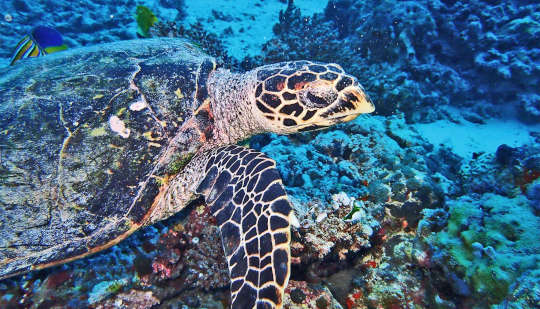
It is really hard to know how a species is doing by just looking out from your local coast, or dipping underwater on scuba
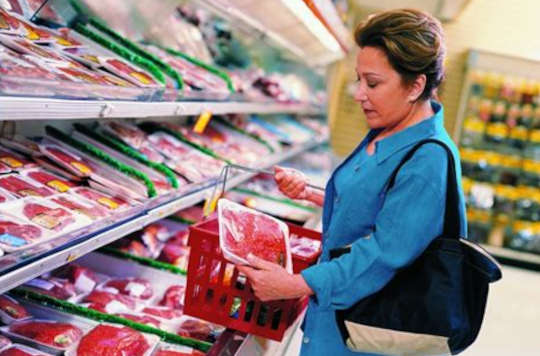
Climate-labeling clearly affects consumers—both those people who are keen to be aware of the climate impact, as well as those who actively seek to ignore this sort of knowledge

Hundreds of companies, including major emitters like United Airlines, BP and Shell, have pledged to reduce their impact on climate change and reach net-zero carbon emissions by 2050.

As the climate changes, floods and extreme rainfall events will become more intense. In many cases, the most disadvantaged people are at highest risk from floods and least able to bounce back when their homes and businesses are inundated.

Ask people to name the world’s largest river, and most will probably guess that it’s the Amazon, the Nile or the Mississippi. In fact, some of Earth’s largest rivers are in the sky – and they can produce powerful storms, like the one now soaking California.
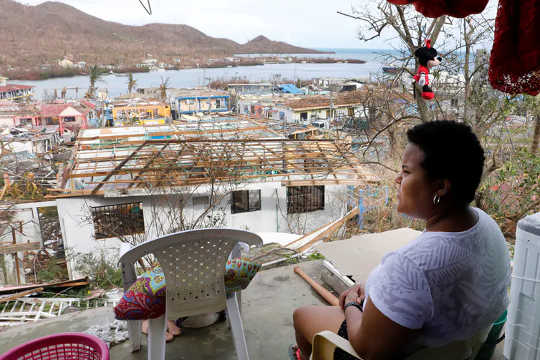
The year 2020 will no doubt go down in history for other reasons, but it is also on target to be one of the warmest on record. And as the climate warms, natural hazards will happen more frequently – and be ever more lethal.

The gold standard of research in science is the randomised controlled trial. The COVID-19 restrictions may at times seem random and most certainly feel like a trial. But are they controlled enough to learn from?

Australia doesn’t yet export renewable energy. But the writing is on the wall: demand for Australia’s fossil fuel exports is likely to dwindle soon, and we must replace it at massive scale.

For the last few decades, the consensus among leading economists has been that putting a price on carbon is the most efficient way to reduce emissions.

The Intergovernmental Panel on Climate Change says negative emissions technologies will be needed to meet the Paris Agreement goal of limiting warming to well below 2?. In other words, just cutting emissions is not enough – we must also take existing greenhouse gases from the air.
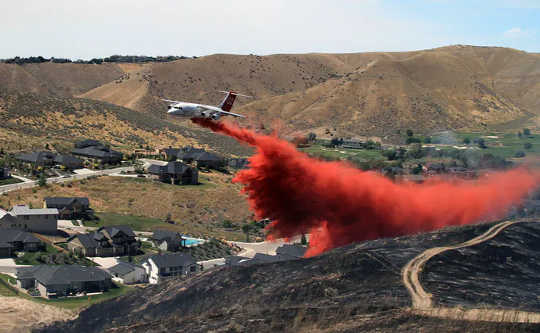
Summer and fall are wildfire season across the western U.S. In recent years, wildfires have destroyed thousands of homes, forced hundreds of thousands of people to evacuate and exposed tens of millions to harmful smoke.

As Hurricane Sally headed for the northern Gulf Coast on Tuesday, September 15, 2020, forecasters warned of a potentially life-threatening storm surge, with water levels that could rise as high as 7 feet in some areas.

What is driving the wildfires that are ravaging California, Oregon and Washington? President Trump and state officials have offered sharply different views.
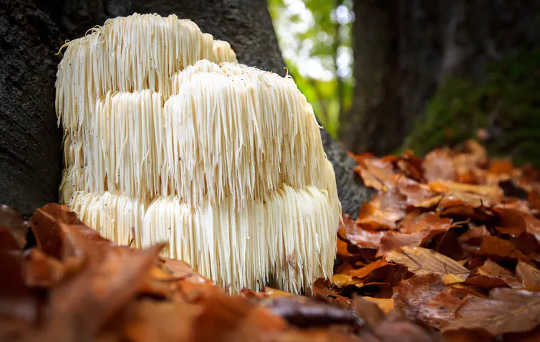
Seven millennia since its invention, leather remains one of the most durable and versatile natural materials. However, some consumers question the ethical ramifications and environmental sustainability of wearing products sourced from animals.

Ice cores are columns of ice drilled through glaciers that are highly versatile and detailed recorders of Earth’s climate and environment that cover hundreds to many thousands of years.

Anyone who’s tending a garden right now knows what extreme heat can do to plants. Heat is also a concern for an important form of underwater gardening: growing corals and “outplanting,” or transplanting them to restore damaged reefs.
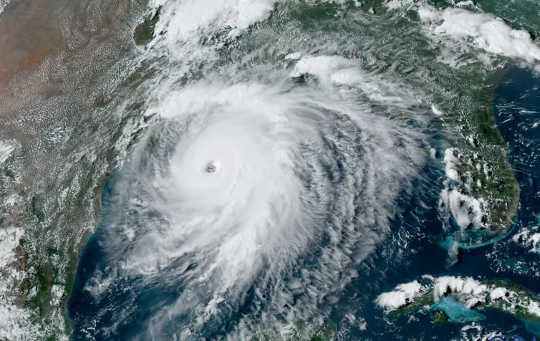
Hurricane Laura blew up quickly as it headed for the Louisiana coast, intensifying from a tropical storm to a major hurricane in less than 24 hours.

Thunderstorms are common across North America, especially in warm weather months. About 10% of them become severe, meaning they produce hail 1 inch or greater in diameter, winds gusting in excess of 50 knots (57.5 miles per hour), or a tornado.

Massive ice-sheets covered northern Europe and northern Asia, and about half of North America, and global sea-levels were as much as 130 meters lower than today.

Global emissions of methane have reached the highest levels on record, research shows.

Demand for fossil fuels collapsed during the COVID-19 pandemic as lockdown measures were introduced. In the second quarter of 2020,
 Researchers are looking to kelp for help storing carbon dioxide far beneath the surface of the sea.