

Can You Really Change the World Starting With One Choice?
The world feels broken, but what if the solution isn’t out there—it’s within you? Every thought, every reaction, every choice shapes…


Rooftops covered with grass, vegetable gardens and lush foliage are now a common sight in many cities around the world.

The idea of a four-day working week is gaining traction. Recently, several high-profile companies have trialled reduced hours. And in the UK, the Labour Party has pledged a 32-hour four day work week within ten years should it come to power.

Cities are at the forefront fighting against climate change in a range of ways, according to a new article.

Electric cars, trains, trams and boats already exist. That logically leads to the question: why are we not seeing large electric aircraft? And will we see them any time soon?
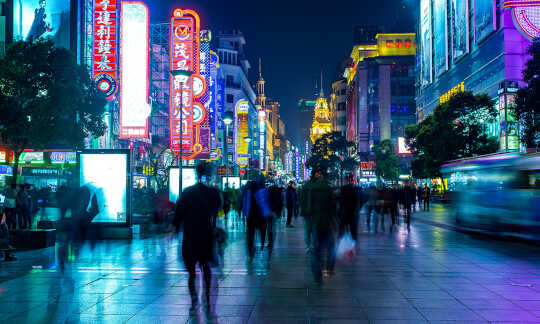
Humanity’s existential crisis can be resolved only when we the people stand united behind a vision of the world we truly want.
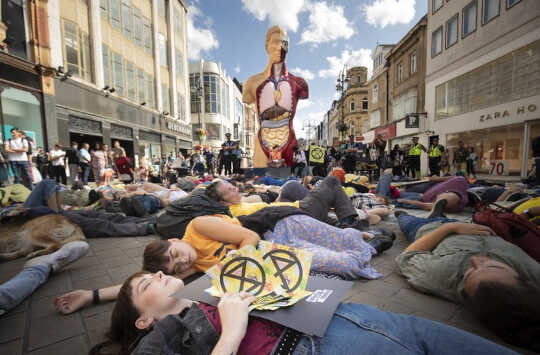
Researchers working in the field of climate change communications have, for many years, been confronted with the same puzzle
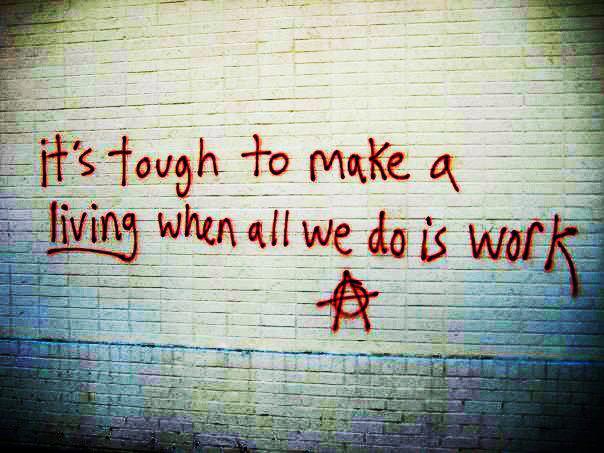
Building a new world will require first reexamining—and dismantling—the cultural ethos of productivity that creeps into our lives every day.

Seaweed is a lot more than marine debris you find on the beach. It may play a big role in the effort to mitigate climate change, researchers say.

The main solution to climate change is well known – stop burning fossil fuels.

Shared dockless electric scooters, or e-scooters, transport riders over short distances in cities. Ride share companies promote them as an environmentally friendly choice that reduces dependence on cars.

U.S. states and cities hand out tens of billions in taxpayer dollars every year to companies as economic incentives.

New research offers a hard link between reforestation of marginal, degraded, or abandoned agricultural land and significant benefits in water quality.
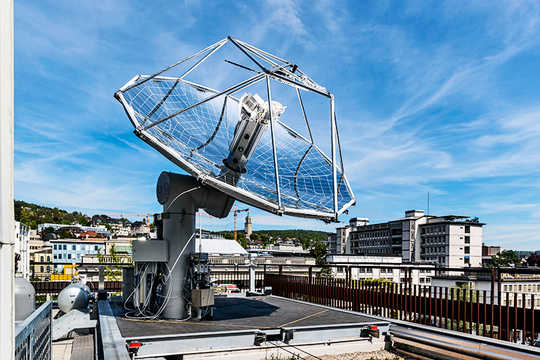
A new technology produces liquid hydrocarbon fuels exclusively from sunlight and air.

As the climate crisis is increasingly felt across the globe, protesters take to the streets and politicians scrabble to respond, a crucial question is beginning to emerge.

By end of the century, rising seas will flood more than 500 coastal cities, affecting 1.5 billion people worldwide. Some estimates predict surging sea level rise of two meters by 2100.

In November 2018, the Woolsey Fire scorched nearly 100,000 acres of Los Angeles and Ventura counties, destroying forests, fields and more than 1,500 structures, and forcing the evacuation of nearly 300,000 people over 14 days.

Climate change is no longer a financial problem, just a political one. Mitigating climate change by decarbonizing our economy would add trillions of dollars in new investments

Whenever I visit the Sahara I am struck by how sunny and hot it is and how clear the sky can be.

According to a recent major UN report, if we are to limit temperature rise to 1.5 °C and prevent the most catastrophic effects of climate change, we need to reduce global CO? emissions to net zero by 2050.

You might find your car dying on the freeway while other vehicles around you lose control and crash.

Search online for “climate change” and “tipping points” and you’ll find some scary results.

The school climate strikes show that young people want to fight climate change, but their enthusiasm for collective action is largely untapped.

The ideas behind regenerative farming are simple and ancient. The way to stop climate change might be buried in 300 square feet of earth in the Venice neighborhood of Los Angeles, amid kale and potatoes.